


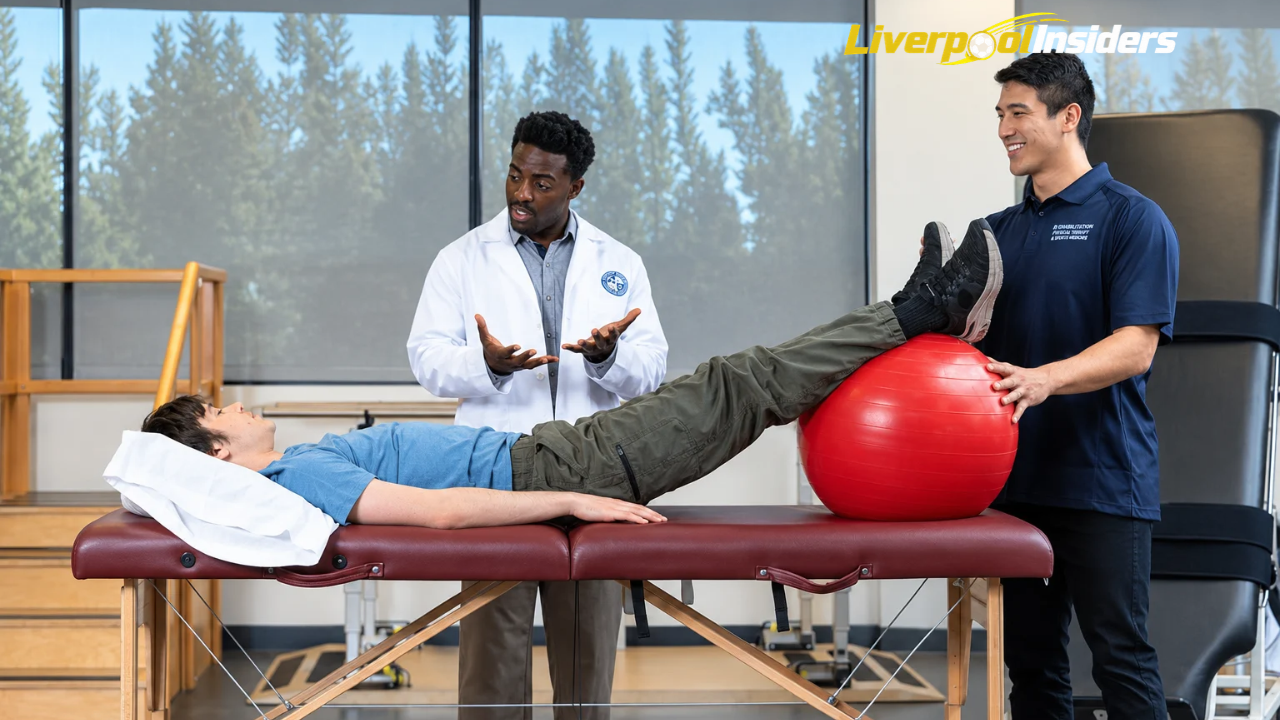
Sports therapy jobs offer career opportunities for people who enjoy sport, healthcare, rehabilitation and helping people recover from injuries. Sports therapists can work with athletes, active individuals, sports teams and clients in clinical environments. Their work often includes injury assessment, treatment, rehabilitation and prevention. The profession can provide opportunities across professional sport, private clinics, universities and rehabilitation settings.
People searching for sports therapist jobs may find different roles depending on their qualifications and experience. Common opportunities include sports therapist, sports rehabilitation practitioner, team therapist and clinical rehabilitation roles. Employers may also look for first-aid training, professional membership and practical experience. Understanding the career requirements can help applicants choose suitable vacancies.
What Are Sports Therapy Jobs?
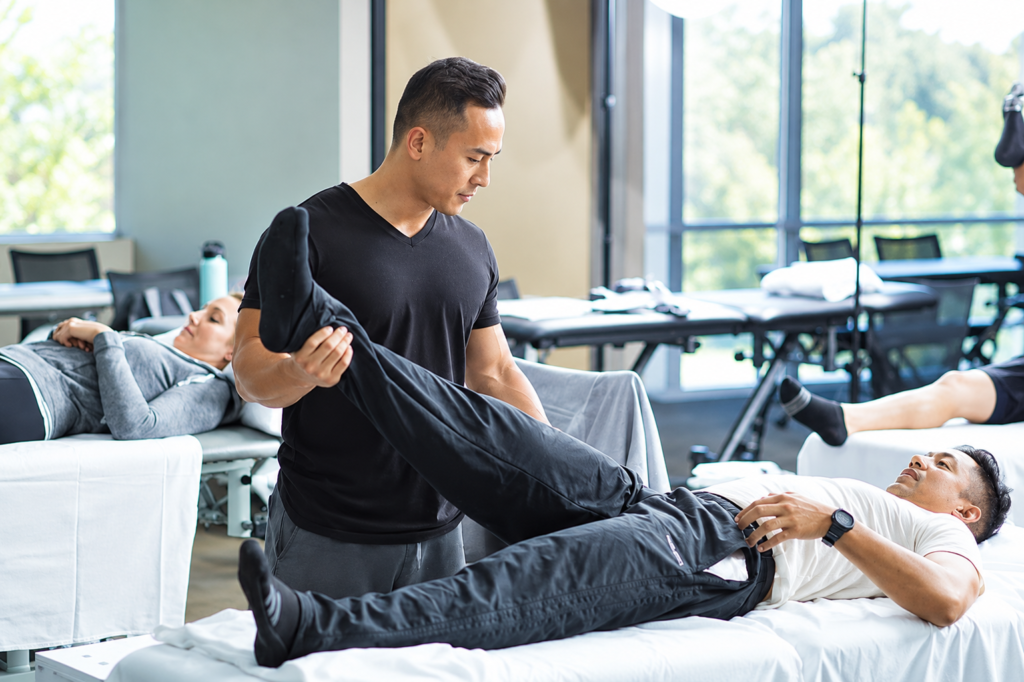
Sports therapy jobs involve supporting people who have experienced sports or physical activity-related injuries. A sports therapist may assess an injury and create an appropriate treatment or rehabilitation plan. The goal is often to help clients recover safely and return to their normal activities. The exact responsibilities depend on the employer and workplace.
Sports therapists working in sports therapy jobs may support athletes before, during and after sporting activities. Their duties can include injury prevention, treatment, rehabilitation and recovery monitoring. Some therapists also provide pitch-side or match-day support for sports teams. This makes the profession suitable for people who enjoy both clinical and sporting environments.
The work can vary between a private clinic and a professional sports club. Clinic-based therapists may treat individual clients throughout the day. Team therapists may attend training sessions, competitions and sporting events. Working hours can therefore change according to the needs of the organisation.
Communication is also an important part of the role. Therapists may communicate with athletes, coaches, doctors, physiotherapists and other healthcare professionals. They need to explain treatment plans clearly and keep appropriate records. Good teamwork can support a smoother rehabilitation process.
The field also offers different routes for career development. Some professionals remain focused on clinical rehabilitation, while others move into team sport or private practice. Additional training can help therapists develop specialist knowledge. Career choices often depend on qualifications, interests and practical experience.
Where Can Sports Therapists Work?
Sports therapy jobs can be found in many different professional environments. Private clinics are one common option for professionals who want to provide injury treatment and rehabilitation. Sports clubs can also employ therapists to support athletes during training and competition. Other opportunities may exist within universities, gyms and rehabilitation centres.
Professional sports teams may offer sports therapy jobs throughout a competitive season. Their responsibilities can include injury assessment, treatment, rehabilitation and injury prevention. Therapists may also work closely with coaches and medical staff. These roles can involve evening, weekend and travel commitments.
Amateur sports clubs can provide valuable opportunities for new graduates. Local football, rugby, cricket and athletics organisations may need injury and rehabilitation support. Voluntary or part-time experience can help candidates build practical skills. It can also provide useful experience for future applications.
Universities and colleges may employ sports therapists to support student athletes. These positions can involve clinical assessment, rehabilitation and sports performance support. Educational institutions may also provide structured professional environments. Requirements vary according to the organisation and specific position.
Private rehabilitation centres provide another possible career path. Therapists may work with people recovering from sporting injuries or other musculoskeletal problems. Some professionals eventually establish their own practices. Experience across different settings can help develop broader clinical and communication skills.
Qualifications Needed for Sports Therapy Jobs

The qualifications required for sports therapy jobs depend on the employer and location. In the UK, many employers prefer candidates with degree-level education in sports therapy or a related subject. Relevant programmes can provide both theoretical knowledge and practical training. Candidates should always check the requirements listed in individual vacancies.
A BSc in Sports Therapy can provide a direct educational route into the profession. Other relevant subjects may include sports rehabilitation and physiotherapy. The appropriate qualification depends on the type of career a person wants to pursue. Some positions have specific professional registration or membership requirements.
Professional membership can also be important for certain sports therapy jobs. Employers may request membership of an appropriate professional organisation or evidence of eligibility. Physiotherapy positions can have separate registration requirements. Candidates should check professional requirements before applying.
First-aid and emergency-care training can be valuable for sports environments. Therapists working around competitive sport may need skills for responding to injuries during training or matches. Additional pitch-side qualifications may be requested for some positions. These requirements can vary between sports and employers.
Practical experience can strengthen a graduate’s application. Placements, internships, volunteering and work with local teams can provide useful exposure. Experience allows candidates to demonstrate how they apply their knowledge in real situations. It can also help graduates understand which area of sports therapy they want to pursue.
Skills Needed for a Sports Therapist
A successful therapist needs strong practical and communication skills for sports therapy jobs. Injury assessment and rehabilitation knowledge are central to many roles. Therapists must understand how injuries affect movement and sporting performance. They also need to recognise when a client requires further medical assessment.
Communication is essential when working with athletes and clients. Therapists need to explain treatment and rehabilitation plans in clear language. They may also communicate with coaches, doctors and other healthcare professionals. Strong communication can support better cooperation throughout the recovery process.
Clinical reasoning is another valuable skill for people pursuing sports therapy jobs. Therapists need to consider the available information when planning appropriate treatment and rehabilitation. They may need to monitor progress and adjust programmes when circumstances change. Good organisation can also help them manage several clients or athletes.
Teamwork is particularly important in professional sporting environments. A therapist may become part of a wider medical and performance team. Working effectively with physiotherapists, doctors, coaches and strength professionals can support athlete care. Respect for different professional responsibilities is also important.
Sports therapists can improve their skills through continuing professional development. Additional courses may focus on rehabilitation, injury prevention, manual techniques or sports-specific care. Practical experience can complement formal education. Building a broad skill set can help candidates apply for different types of positions.
Sports Therapy Salaries and Working Patterns
Salary levels for sports therapy jobs vary according to experience, location and employer. Private practice, professional sport and healthcare environments may offer different salary structures. Part-time and sessional positions can also have different payment arrangements. Candidates should review the complete terms of each vacancy.
Some career guidance sources cite clinical sports therapist salaries of around £24,000 to £35,000. Experienced professionals working in private practice or with professional teams may potentially earn more. These figures are indicative rather than guaranteed. Actual earnings depend on qualifications, experience and employment conditions.
Working patterns can also vary considerably in sports therapy jobs. A clinic-based therapist may have more predictable appointment schedules. A team therapist may need to work evenings and weekends around training and fixtures. Sporting events can also require travel and flexible availability.
Some sports therapy positions are permanent, while others are fixed-term or seasonal. Graduate and assistant roles may provide limited weekly hours during the early stages of a career. These positions can still offer valuable practical experience. Candidates should consider both income and professional development when comparing opportunities.
Self-employment is another possible route for experienced therapists. Private practitioners can build their own client base and choose their working arrangements. However, self-employment also involves business administration, marketing and financial responsibilities. Professional insurance and appropriate qualifications are important considerations.
How to Find Sports Therapy Jobs
Searching for sports therapy jobs is useful, but candidates should also use related search terms. These can include sports therapist vacancies, sports rehabilitation jobs and team therapist positions. Searching by sport can also reveal more specialised opportunities. Football, rugby, cricket and athletics can each have different requirements.
Professional sports organisations are useful places to check for sports therapy jobs. Candidates can visit club websites and sports governing-body job pages regularly. University career portals and healthcare recruitment websites may also advertise relevant positions. Checking several sources can provide a wider range of opportunities.
A strong CV is important when applying for sports therapy roles. It should clearly show qualifications, professional membership, practical placements and relevant experience. Candidates should also mention first-aid training and any team-sport experience. The CV should be adjusted to match the requirements of each vacancy.
Networking can also help graduates discover opportunities. Connecting with local sports clubs, therapists, coaches and rehabilitation professionals can provide useful industry contacts. Volunteering at sporting events may also create opportunities to gain practical experience. Professional events and career fairs can provide additional ways to meet employers.
Useful search terms include:
- Sports therapy jobs
- Sports therapist jobs UK
- Graduate sports therapist jobs
- Sports rehabilitation jobs
- Football sports therapist jobs
- Rugby sports therapist jobs
- Sports therapy assistant jobs
- Sports rehabilitation practitioner jobs
- Sports physiotherapy jobs
- Team therapist vacancies
Career Progression in Sports Therapy
Career progression can take several directions after gaining experience in sports therapy jobs. Some therapists move into senior clinical positions or specialist rehabilitation roles. Others pursue opportunities with professional sports teams. The best route depends on individual qualifications, experience and career interests.
Professional sport can provide opportunities to work with increasingly competitive athletes. Experienced therapists may take on greater responsibility for injury management and rehabilitation. Some may work within multidisciplinary medical departments. These positions can require strong practical experience and additional professional development.
Private practice is another potential long-term pathway for professionals with experience in sports therapy jobs. Experienced therapists may develop specialist services for athletes, runners or other active clients. Some eventually establish their own clinics or work independently. Business and communication skills become increasingly important in this setting.
Education and training can also become part of a therapist’s career. Experienced professionals may contribute to teaching, mentoring or professional development programmes. Academic roles may require additional qualifications or relevant experience. This pathway can combine clinical knowledge with education.
Long-term development depends on continued learning and practical experience. Therapists can explore courses that match their preferred area of work. Maintaining professional knowledge can help them adapt to changing expectations. A clear career plan can make it easier to select relevant qualifications and opportunities.
Sports Therapy Jobs FAQs
1. What are sports therapy jobs?
Sports therapy jobs involve assessing, treating, rehabilitating and helping prevent injuries related to sport and physical activity.
2. What qualifications do you need for sports therapy jobs?
Many employers prefer a degree in sports therapy, sports rehabilitation or a related healthcare subject, although requirements vary by role.
3. Where can sports therapists work?
Sports therapists can work in private clinics, professional sports clubs, universities, rehabilitation centres, gyms and community sports organisations.
4. Can a sports therapist work with football teams?
Yes, football clubs and academies can employ sports therapists to support injury treatment, rehabilitation, prevention and player recovery.
5. Are sports therapy jobs available for graduates?
Yes, graduates can find entry-level, assistant, internship, placement and junior rehabilitation opportunities depending on their qualifications.
6. How much can a sports therapist earn?
Sports therapist salaries vary by location, experience, employer and working arrangement, with experienced professionals generally having greater earning potential.
7. What skills are important for sports therapists?
Important skills include injury assessment, rehabilitation planning, communication, teamwork, clinical reasoning and injury prevention.
8. How can I find sports therapy jobs?
You can search professional sports organisations, healthcare job boards, university vacancies, private clinics and specialist sports recruitment websites.
Wrapping Up
Sports therapy jobs can provide a rewarding career for people interested in sport, healthcare, injury management and rehabilitation. Opportunities can be found across professional and amateur sports, private clinics, universities and rehabilitation environments. Building the right qualifications, practical experience and professional skills can help candidates become stronger applicants.
The career can also develop in several directions, including team therapy, private practice, sports rehabilitation and clinical roles. Candidates should review individual job requirements carefully because qualifications, experience and professional membership requirements can differ. With continued learning and relevant practical experience, sports therapists can build a career that combines healthcare knowledge with a passion for sport.
